IEC outlines Eastern Cape election preparations ahead of 2026 polls
The Electoral Commission of South Africa (IEC) has outlined its preparations for the 2026 Local Government Elections in the Eastern Cape. The plans cover voter registration, voting stations, election staff and the fight against false information.
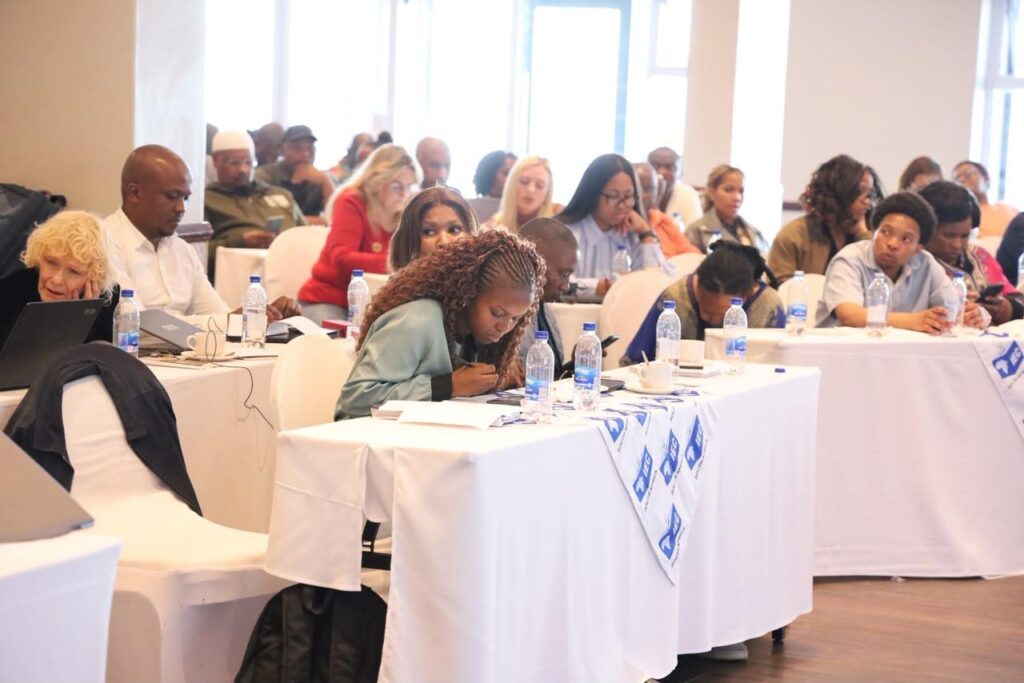
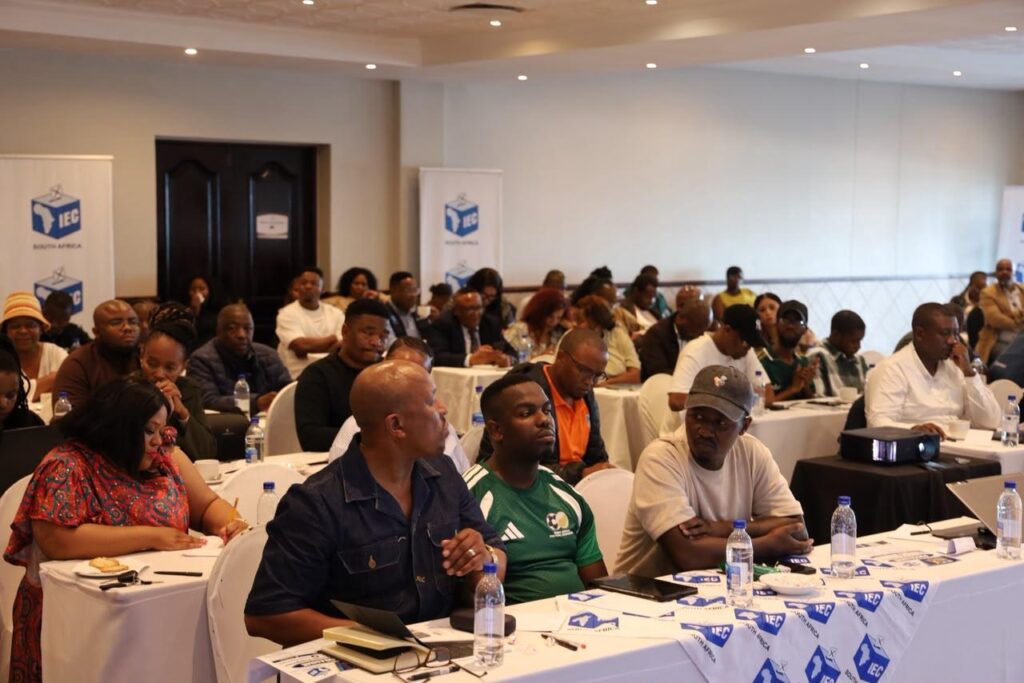
During media training on 5 October 2026, the IEC shared details about its preparations. It also highlighted challenges that could affect voting in some communities.
The Eastern Cape has 3,628,862 registered voters. The province has six district municipalities, two metropolitan municipalities, 31 local municipalities and 703 wards.
The IEC has also listed 4,979 voting districts across the province.
Eastern Cape records growth in voter registration
The number of registered voters has grown since the 2024 National and Provincial Elections. The voters’ roll increased from 3,439,320 in 2024 to 3,628,862 in 2026.
The IEC has also focused on young voters. Its presentation highlights about 192,000 additional youth registrations. The commission has run voter education campaigns at schools and tertiary institutions.
These efforts aim to encourage young people to take part in local government elections.
Some voting stations face infrastructure challenges
Despite these preparations, some voting stations lack basic services.
The IEC presentation lists 403 voting stations without electricity and 422 without water. It also records 253 stations without sanitation.
In addition, 81 voting stations lack mobile network coverage. Another 106 have poor road access.
These problems could make election work harder in affected areas. For example, poor roads may delay the delivery of election materials. A lack of network coverage may also create communication challenges.
The figures highlight the need for careful planning before election day.
Thousands of candidates prepare to contest
The IEC presentation reports 15,091 candidates for the 2026 elections. This figure includes 10,754 ward candidates and 4,337 proportional representation candidates.
The presentation also lists 415 contesting political parties.
With many parties and candidates in the race, some municipalities will have longer ballot papers. Voters will need to check their choices carefully before casting their votes.
IEC prepares election staff and materials
The commission has started several key tasks ahead of the elections. These include printing ballot papers, moving election materials to storage sites and checking election equipment.
The IEC also reported that maintenance of its Voter Management Devices had been completed. These devices support voter management, including at sites without network connectivity.
Meanwhile, the commission says staff training remains on track. It is also checking staff for political activity in critical positions. The presentation states that officials found to be politically active will be replaced.
These steps aim to support a fair and professional election process.
Special voting applications close on 12 October
Special votes give eligible voters another way to take part in the elections if they cannot vote at an ordinary voting station on election day.
People may qualify because of illness, disability, physical limitations or other approved circumstances.
Successful applicants may vote at home, at their place of care or at a voting station, depending on their approved arrangements.
According to the IEC presentation, special voting will take place on 2 and 3 November 2026. Applications opened on 21 September and close at 17:00 on 12 October.
Eligible voters who need a special vote should check the IEC’s official information for application details.
IEC warns against election disinformation
Alongside election preparations, the IEC has highlighted the need to tackle false information.
A separate presentation on the Electoral Code of Conduct on Countering Disinformation explains the duties of political parties and candidates. They must check information before sharing it and avoid deliberately misleading voters.
False claims, manipulated photographs and misleading videos can confuse the public. In addition, AI-generated images and videos can make false stories appear real.
The IEC says political actors should clearly label AI-generated campaign content. They should also identify the parties or candidates behind political adverts.
The presentation further identifies Real411 as a platform for reporting suspected online election disinformation. It states that political parties and candidates must report suspected cases within 36 hours.
Members of the public can also report suspected election disinformation through the platform.
Voters urged to check information
As election day approaches, accurate information remains important. Voters need reliable details about registration, voting stations and candidates.
Political parties and candidates also have a duty to communicate responsibly. Meanwhile, the public should check the source of a claim before sharing it on social media.
The IEC’s preparations cover election logistics, voter education, staff training and measures to protect the voting process.
The commission’s message to voters is clear: Get up. Show up. Vote.