
Makhanda After-School Programmes Shine Despite Funding and Visibility Challenges
By Ndimphiwe Mpongoma
More than 100 people attended the Lights On After School celebration in Joza, Makhanda, on Friday, 23 October 2026, highlighting the role of community-based organisations in supporting children’s education, skills development and personal growth beyond the classroom.
Organised by The Learning Trust (TLT), the event brought together after-school organisations, learners, parents and community members to showcase educational, sporting and creative opportunities available in Makhanda and surrounding areas.
Held under the theme “Switched On! Ready to Learn, Ready to Play, Ready to Grow,” the celebration began with a mini parade at the Joza Youth Hub before continuing with an exhibition at Nompumelelo Pre-school, where participating organisations showcased their programmes.
The Learning Trust’s Eastern Cape Programmes Officer, Nompumezo Makinana, said attendance exceeded the initial target of 100 participants, demonstrating strong community interest in after-school opportunities.
She said the event allowed organisations to learn about one another’s work, establish relationships and explore potential partnerships. Some organisations also received new registrations from learners interested in joining their programmes.
However, despite the range of initiatives operating in Makhanda, Makinana identified limited public awareness as a major obstacle preventing learners from accessing available opportunities.
“There are enough programmes, what is not enough is probably visibility. Learners don’t know they exist,” she said.
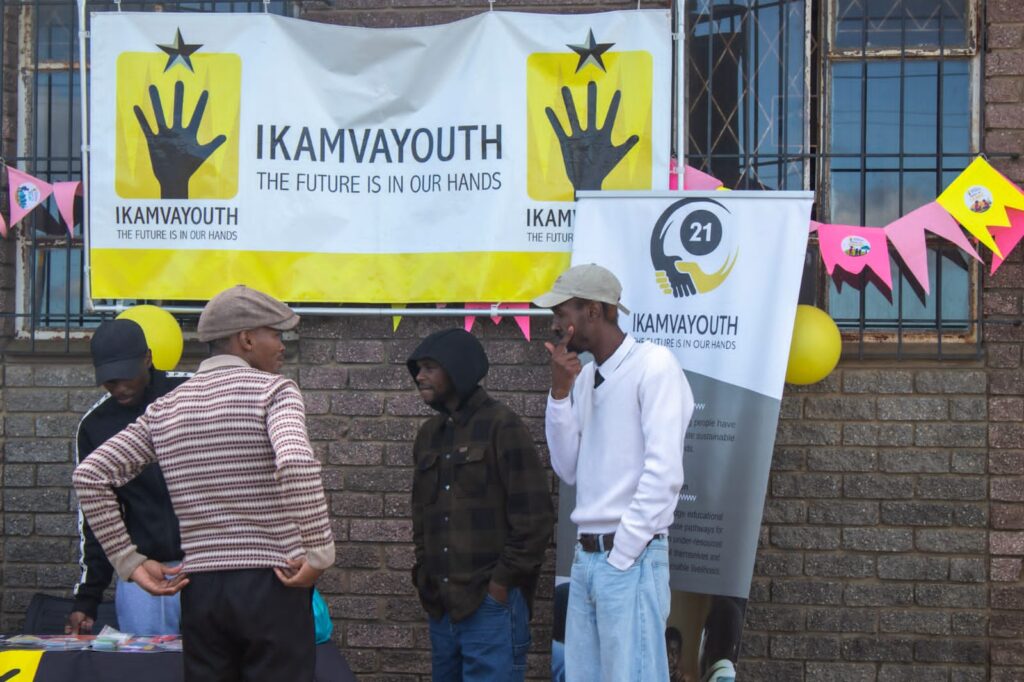
Organisations offering support include Inkululeko and IkamvaYouth, which provide academic assistance, and the Lebone Centre and Joza Reading Club, which focus on literacy development. The Asssumption Development Centre (ADC) also offers opportunities for people seeking to rewrite or improve their matric results.
Makinana said many organisations struggle to secure funding because limited staffing leaves practitioners juggling several responsibilities, leaving them with insufficient time to focus on fundraising.
To address these challenges, The Learning Trust supports the after-school sector through an Eastern Cape Community of Practice. The initiative brings organisations together to exchange knowledge, share effective practices and discuss operational challenges.
The organisation also provides capacity-building support to help emerging initiatives become sustainable.
However, Makinana said stronger government involvement was necessary to strengthen the sector and ensure that after-school programmes received the recognition and resources they needed.
“The department needs to acknowledge that afterschool programmes are not a nice to have, but they are critical,” she said.
She called for closer integration between after-school programmes and schools, supported by dedicated resources, time and personnel.
Helping Children Discover Their Talents
The Yveslight Institution of Skills and Leadership (YISL), a non-profit organisation established in 2022, was among the initiatives showcased at the celebration.
The organisation focuses on arts, sports, literacy and skills development. Its representative, Nolwakhe Myeki-Siwelo, a former teacher with 10 years of experience, said she established YISL after identifying gaps in the extracurricular opportunities available to schoolchildren.
She said the organisation introduces learners to activities such as music, chess and creative arts, giving them opportunities to discover and develop talents they might not otherwise explore.
“So our goal is for a child to find out what is inside of them,” she said.
Rather than selecting only learners who have already expressed an interest in particular activities, YISL introduces its programmes to entire classes before identifying those who want to develop their skills further.
Myeki-Siwelo said learners involved in the organisation had participated in the National Arts Festival, performed at Rhodes University’s Beethoven Hall and gained exposure to radio presenting and journalism through Rhodes Music Radio.
According to Myeki-Siwelo, YISL works with approximately 750 children annually. The organisation has recently expanded to additional schools and hopes to reach about 1,000 learners each year.
However, funding and transportation remain significant barriers to its growth.
“The biggest thing that we need is transportation,” she said, explaining that reliable transport would enable the organisation to reach more schools.
She thanked The Learning Trust for providing transport to the celebration and acknowledged the support YISL had received from Rhodes University.
Creating Second Chances Through Education
Another participating organisation, the Joza-based Asssumption Development Centre (ADC), provides educational opportunities for people seeking to improve their matric results or acquire additional skills.
Established in 2014, ADC offers second-chance matric tutoring, computer literacy, digital storytelling, professional communication training in partnership with Rhodes University, and a counselling hub open to community members.
ADC representative Siphosethu Bekwa said the organisation provides tutors to help learners prepare for subjects they are rewriting or upgrading. The Learning Trust supports the programme by paying tutor stipends.
Bekwa said the programme could accommodate approximately 150 learners at the beginning of the year. However, participation tends to decline after June as some learners complete their examinations during the midyear examination period.
The organisation continues to encourage learners to prepare for the final examination period, although some have already registered to write earlier in the year.
ADC’s work highlights the role community-based organisations play in giving people a second chance to complete their schooling, improve their results and strengthen their qualifications.
More Than Learning After School
The event’s master of ceremonies, Zipho Ndwayana, who previously completed an internship with The Learning Trust, said the celebration demonstrated the enthusiasm of children and community members for educational development.
Ndwayana, who also helped plan the event and coordinate media coverage, said children participated enthusiastically in activities such as chess, art and music.
He was particularly encouraged by the involvement of parents, who joined their children at different activity stations.
“After school programmes are not only about learning after school but it’s also about creating a safe space for children to go after school,” he said.
Ndwayana encouraged parents to take an active interest in the opportunities available to their children and participate in activities whenever possible.
For The Learning Trust, the celebration also provided an opportunity to strengthen relationships between organisations working towards similar goals.
Makinana said the organisation intended to continue supporting its existing partners while exploring opportunities to collaborate with initiatives operating in underserved and often overlooked areas of the Eastern Cape.
Although the celebration showcased the range of opportunities available to learners in Makhanda, participating organisations stressed that greater public awareness, sustainable funding and stronger partnerships were essential to reaching more children and young people.
Their message was clear: community-based after-school programmes play an important role in children’s development, but they need greater visibility and sustained support to reach their full potential.