
Court halts Rhodes fee protest as students consider next steps
Rhodes University students are considering their next steps after the Eastern Cape High Court in Makhanda ordered them to stop their protest over the university’s 2027 student fee rules.
The court granted Rhodes University an interim interdict on Wednesday, 30 September.
The case will return to court on 27 October.
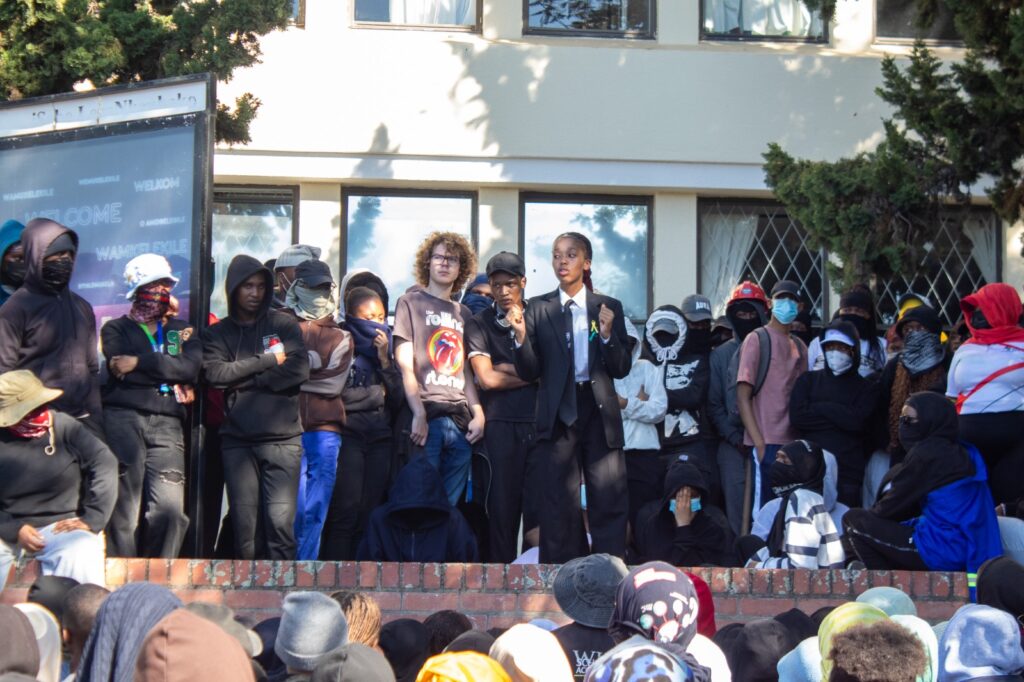
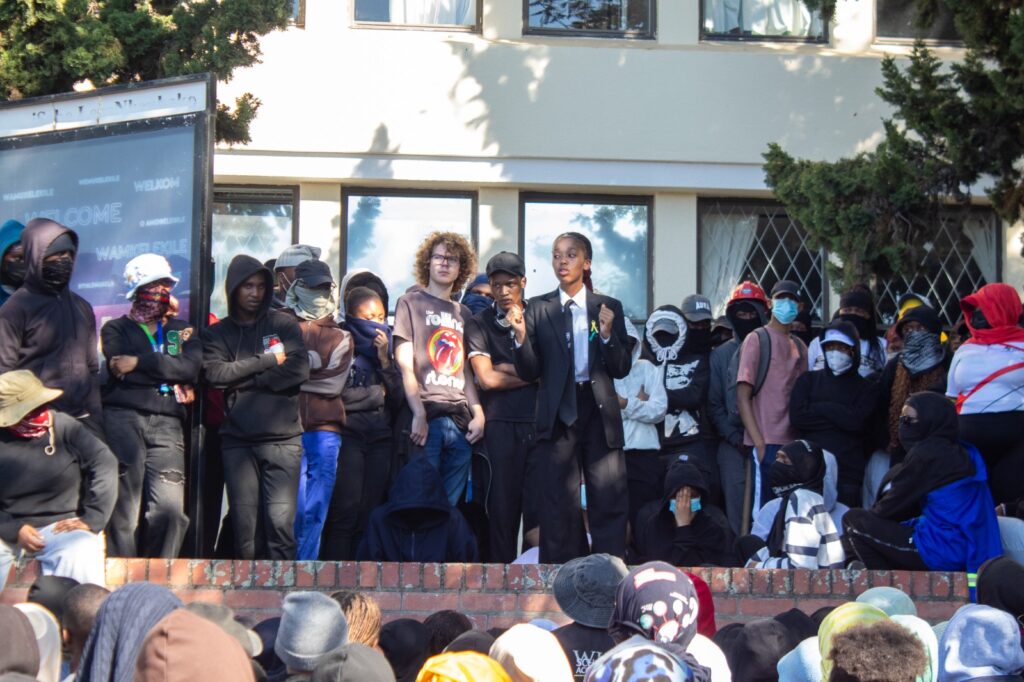
Students had protested for two days. They blocked university entrances and called for changes to the rules on student debt, registration and university residence.
SRC tells students to stop protest
After the court hearing, SRC president Thalethu Magidela addressed students.
She told them to stop the protest and follow the court order.
The SRC said it had sought legal help shortly before the hearing. It said its lawyers did not have enough time to prepare a full response to the university’s court application.
The SRC said it could submit its response before the next court date.
The student leadership then told students to stop the protest.
The court order does not settle the wider dispute over the 2027 fee rules.
The SRC plans to file an answering affidavit before the case returns to court.
Students remain worried about debt
The court order did not end students’ concerns about the new fee rules.
One student described the court outcome as “very depressing”. She said she had hoped for a different result.
“I don’t think there’s any student who would rather be on the streets and not eat instead of being in their bed studying,” she said.
She said her concerns went beyond the protest.
She is also worried about students who have unpaid fees and want to continue their studies.
Under the university’s 2027 fee rules, self-funded undergraduate students with unpaid fees must pay at least 50% of their debt before registration.
Students who choose a payment plan must pay at least R3,000 each month.
Students without confirmed NSFAS funding also face a residence rule. Those who still owe more than R25,000 after the required payment would not qualify for university residence.
The student said she had relied on NSFAS during her undergraduate studies.
She fears that her debt could affect her plans to study further.
“Next year, you’ll be thinking of doing post-grad, but you won’t be able to do your post-grad,” she said.
She said students should get a chance to finish their studies and find jobs before they have to pay their debt.
“Allow me to finish studying. After finishing, release my results so I can go find work,” she said.
Students discuss other options
The court order has also led students to discuss other ways to raise their concerns.
One student involved in the discussions said students were looking at options outside Rhodes University.
The student said they were considering approaching Makana Local Municipality about holding a gathering.
The idea came from discussions among students and EFF-aligned participants, the student said.
However, students had not confirmed another protest when this article was published.
Students were also discussing ways to meet and share ideas while following the court order.
How the dispute started
Rhodes University released its 2027 Protocol on the Payment of Student Fees on 25 September.
Student leaders later sent a memorandum to the university.
They called for changes to several parts of the fee rules.
Their concerns include the amount students with historical debt must pay before registration. They also want changes to the debt limit linked to university residence.
Rhodes University says the protocol aims to deal with unpaid student debt and protect the university’s long-term finances.
The university has also said the SRC’s demands need further consideration. Some issues may require a decision by the university Council.
Students, however, say the new rules could make it harder for students with financial difficulties to register, find accommodation and continue their studies.
For now, the court order has stopped the campus protest.
The wider dispute over the 2027 fee rules remains unresolved.
The case returns to the Eastern Cape High Court on 27 October 2026.