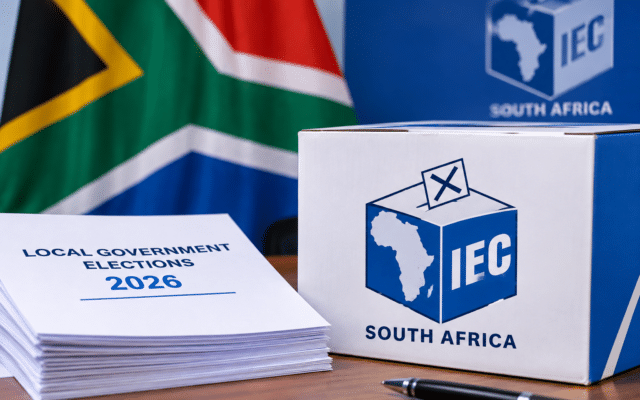
The Constitutional Court’s decision to rule in favour of the African National Congress (ANC) in its dispute with the Electoral Commission of South Africa (IEC) has intensified calls for equal treatment of other political parties affected by the commission’s online candidate nomination system ahead of the 4 November local government elections.
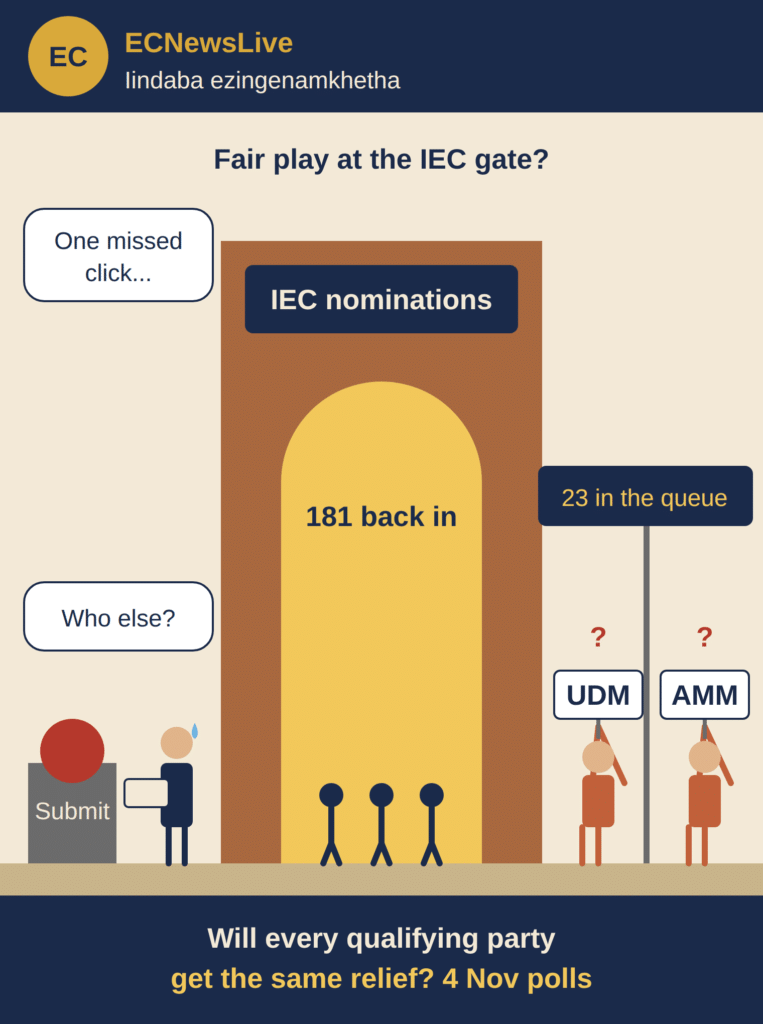
The court ordered the IEC to take the necessary steps to include 181 ANC candidates, whose nominations had been rejected in six municipalities after the party failed to complete the final electronic submission process before the deadline.
The judgment has raised questions about the position of other political formations, including the United Democratic Movement (UDM) and the Afrika Mayibuye Movement, which have called for the commission to ensure that similarly affected parties receive fair and consistent treatment.
UDM calls for urgent engagement
UDM leader Bantu Holomisa welcomed the Constitutional Court’s judgment but said the IEC must ensure that the ruling is implemented fairly across political parties that fall within its scope.
“The ball is now in the IEC’s court to give effect to the judgment and ensure that all political parties falling within its scope are treated fairly and consistently,” Holomisa said.
He called for a meeting of the party liaison committee to discuss the implementation of the judgment and other concerns relating to the IEC’s online candidate nomination system.
Holomisa also raised concerns about the system’s failure to provide clear and immediate confirmation once candidate names have been submitted.
He said that, in some instances, political parties only became aware of problems or changes at a later stage through email notifications, creating uncertainty around compliance with nomination requirements.
The UDM’s position highlights the importance of clear communication and reliable confirmation mechanisms in an electoral process where missing a submission deadline can determine whether candidates appear on the ballot.
Mayibuye demands equal treatment
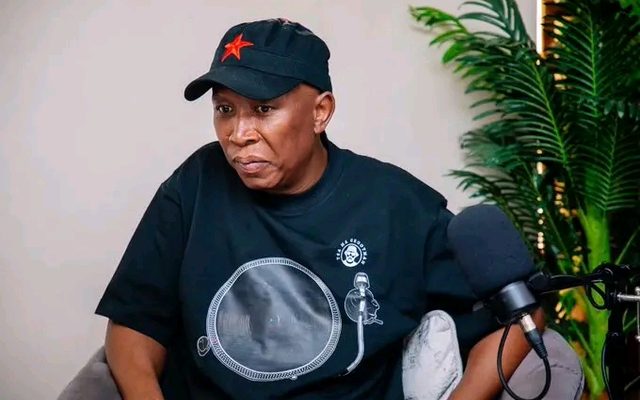
Afrika Mayibuye Movement leader Floyd Shivambu also called on the IEC to extend the relief granted to the ANC to other political formations and candidates that experienced comparable difficulties.
“We never ever should sacrifice principle on the altar of political convenience and opportunism,” Shivambu said.
He urged the commission to comply administratively with the court order and include other affected political formations and candidates where the circumstances justify it.
“Let’s contest freely and fairly,” he added.
The movement has argued that the constitutional principles underlying the judgment should not be applied exclusively to the ANC if other parties can demonstrate that they were similarly affected.
However, the legal position of each party will depend on the circumstances of its nominations and how the court order applies to those circumstances.
IEC studying implications of the judgment
IEC Chief Electoral Officer Sy Mamabolo said the commission was analysing the court order to determine its implications for other political parties in comparable circumstances.
“We will look at the analysis of the orders to make an assessment on what implications they have in relation to similarly situated political parties,” Mamabolo said.
He said the commission intended to implement the ruling while continuing preparations for the local government elections.
“We are preparing on the basis of the court order and integrating it into our operational framework,” he added.
The IEC had previously indicated that more than 40 political parties were in a position similar to that of the ANC, with candidate information uploaded to the online system but not finally submitted by the deadline.
The commission subsequently narrowed the number of parties under consideration to 23 after assessing their submissions and compliance with other requirements.
The IEC was expected to provide further clarity on how these parties would be treated following the Constitutional Court’s decision.
The commission has also maintained that the election preparations remain on track for 4 November.
Mbalula defends ANC’s legal challenge
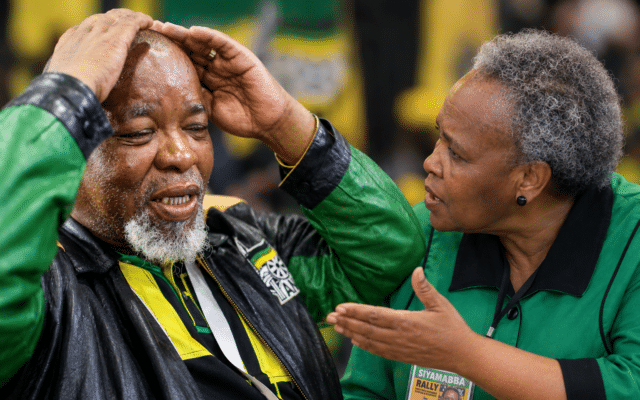
ANC Secretary-General Fikile Mbalula defended the party’s decision to approach the Constitutional Court, arguing that the dispute concerned the interpretation of the nomination process and the rights of candidates.
“When this movement believed that a right had been taken from our people, we walked up this hill with papers in our hands,” Mbalula said after the judgment.
The ANC had argued that its candidates’ information was already captured on the IEC’s online system before the deadline and that failure to click the final submission button should not automatically result in their exclusion.
The court’s decision overturned the earlier Electoral Court outcome and directed the IEC to take the necessary steps to include the affected nominations in the electoral process.
The judgment’s full reasons were still awaited, leaving questions about its broader implications for other parties that experienced similar submission difficulties.
Will the IEC apply the same principles to other parties?
The central issue now is whether the IEC will extend comparable relief to other political parties that meet the relevant criteria or demonstrate circumstances covered by the court’s ruling.
The Constitutional Court’s order specifically addresses the ANC’s affected candidate lists. It does not automatically reinstate every candidate excluded because of incomplete electronic submissions.
The commission must therefore assess how the order applies to other parties while respecting the court’s authority and the requirements governing the electoral process.
For the UDM, Afrika Mayibuye Movement and other affected political formations, the IEC’s forthcoming clarification could determine whether their candidates are included in the election process.
With ballot preparations already under way, the commission faces the task of implementing the judgment while maintaining the timetable for the 4 November local government elections.
The announcement is expected to provide greater clarity on the status of the 23 parties under consideration and the criteria that will determine whether they receive similar relief.
The key question remains: will the IEC’s implementation of the Constitutional Court’s judgment provide equal treatment to all qualifying political parties, or will further legal challenges be necessary to resolve the remaining disputes?
ANC COURT VICTORY PUTS IEC UNDER PRESSURE TO TREAT OTHER POLITICAL PARTIES FAIRLY