South Africa is commemorating National Women’s Day today, 9 August. The day honours the women who marched against apartheid pass laws in 1956.
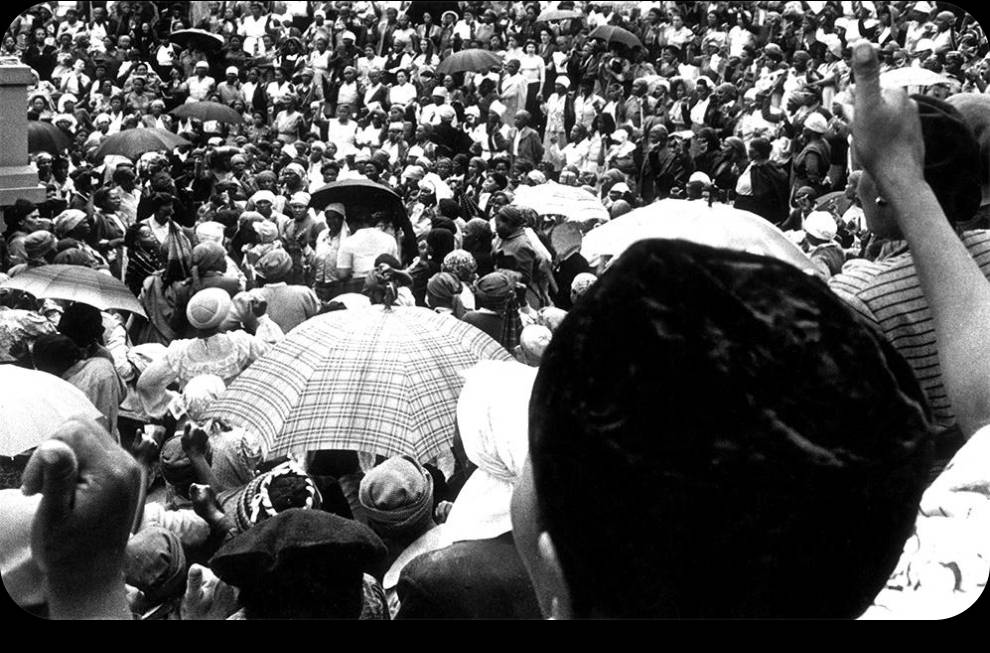
Thousands of women gathered at the Union Buildings in Pretoria on 9 August 1956. More than 20,000 women took part in the protest. They opposed laws that restricted the movement and rights of Black women.
The 1956 women’s march
The women came from different racial, cultural and political backgrounds. They stood together against discrimination. Their march became one of the most powerful protests in South African history.
As a result, the event became a symbol of courage, unity and resistance. The slogan “Wathint’ Abafazi, Wathint’ Imbokodo” continues to inspire many South Africans today.
Why the day matters today
National Women’s Day is a public holiday across the country. It also forms part of Women’s Month. During August, government departments, community organisations and civil society groups hold events to celebrate women and their achievements.
In addition, many organisations use the day to raise awareness about gender-based violence, unemployment and inequality. They also call for better economic opportunities for women and young girls.
A call for action
Today’s commemorations honour the women of 1956. They also remind South Africans that the struggle for equality continues. Leaders have urged communities to protect women and children and to support women in business, education and the workplace.
National Women’s Day remains a powerful reminder of the role women have played in shaping South Africa’s democracy and future.