The strike at BAIC Automobile South Africa has entered its ninth week. The dispute continues at the company’s plant in the Coega Industrial Development Zone outside Gqeberha.
The strike has raised fresh concerns about labour relations in South Africa’s automotive sector. It has also drawn attention from trade unions, government officials and industry stakeholders.
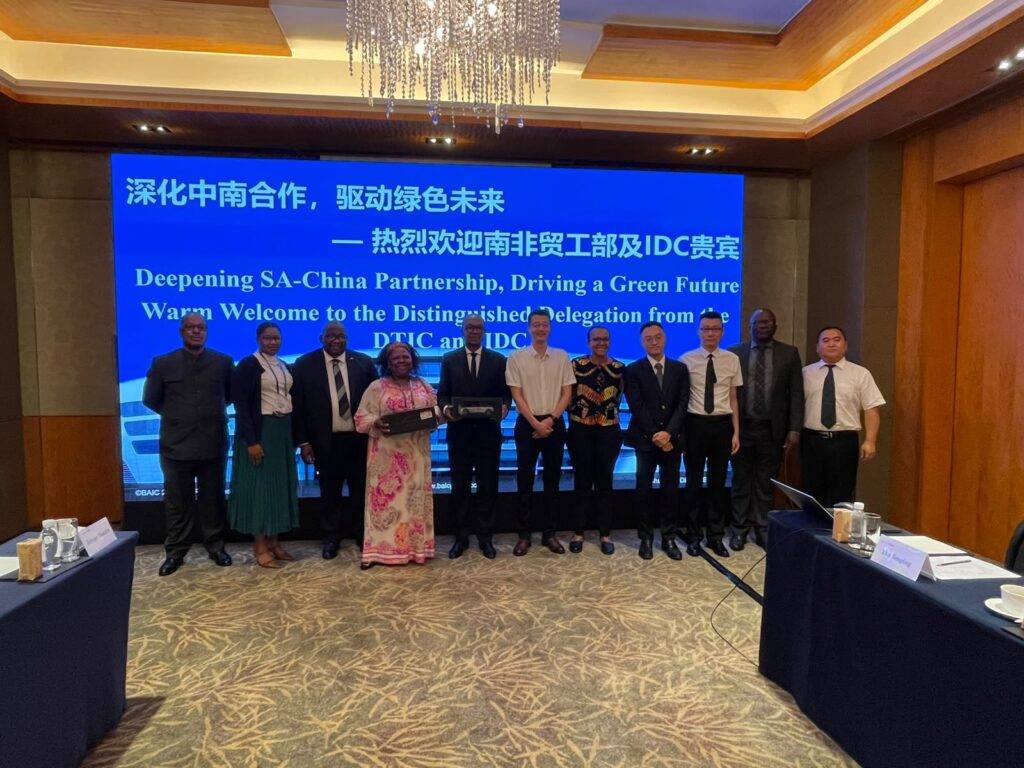
Recently, the Minister of Trade, Industry and Competition met BAIC representatives about the company’s operations in South Africa. Soon afterwards, the Minister and officials from the Industrial Development Corporation (IDC) held a meeting in China.
The main issue is whether BAIC will comply with agreements negotiated through the South African automotive sector bargaining structures. Workers and unions argue that all companies in the sector should follow the same labour agreements.
Meanwhile, the South African Federation of Trade Unions (SAFTU) has expressed support for NUMSA. The federation has also called on other trade unions and community organisations to support the striking workers.
Industry observers say the outcome of the dispute could affect labour relations across the automotive sector. In addition, the strike could influence future investment and collective bargaining in the industry.
The Eastern Cape is one of South Africa’s main vehicle manufacturing hubs. As a result, the prolonged strike has increased concerns about jobs, suppliers and industrial stability in the province.
Negotiations are continuing, but no final agreement has been announced. The strike remains unresolved as workers and management continue discussions.