
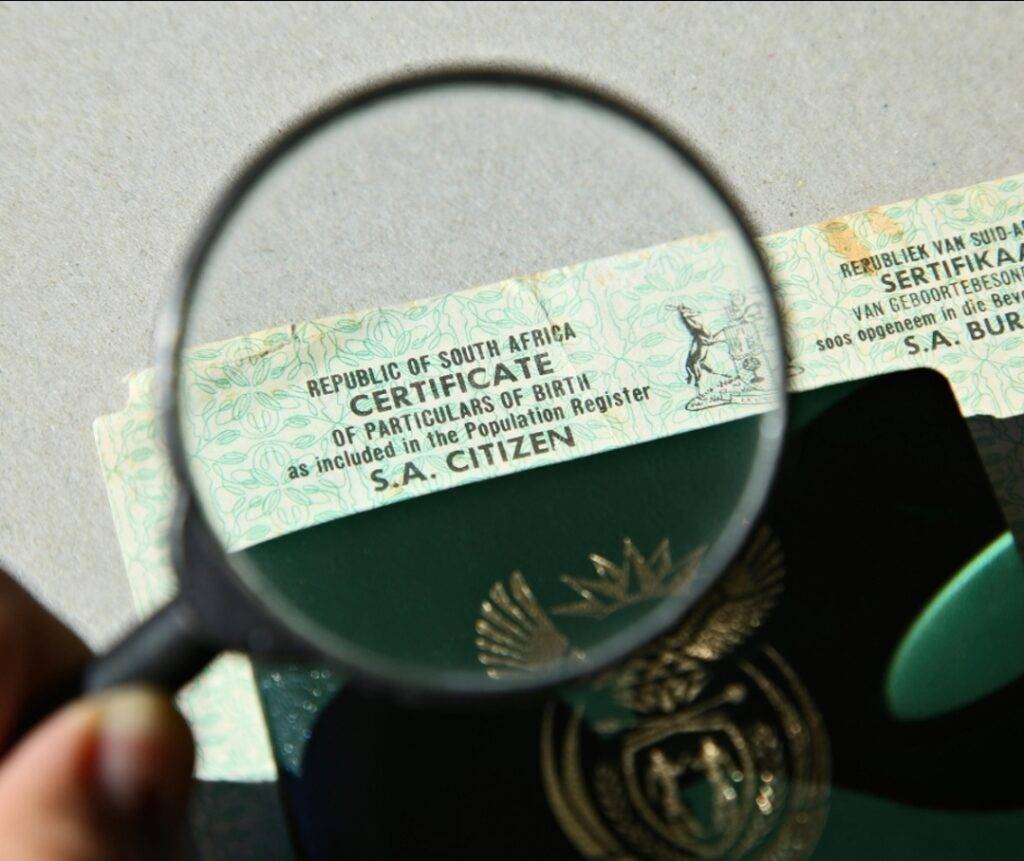
A landmark judgment by the Western Cape High Court has reinforced the constitutional rights of children by declaring unlawful regulations that prevented some from being registered at birth.
The court ruled that children born to undocumented foreign nationals, as well as abandoned children, cannot be denied birth registration simply because the required identity or travel documents are unavailable.
According to the judgment, birth registration is a fundamental administrative process that recognises a child’s legal identity. The court rejected the notion that issuing a birth certificate automatically grants South African citizenship, stressing that citizenship and birth registration are governed by different legal processes.
Judge Matthew Francis, who delivered the unanimous judgment alongside two other judges, found that the regulations placed an unfair burden on children for circumstances beyond their control. The court held that denying birth registration undermines children’s constitutional rights and limits their access to essential services.
Without birth certificates, affected children often struggle to enrol in school, receive healthcare, access social assistance and obtain other important public services. The applicants argued that these barriers placed vulnerable children at greater risk of exclusion throughout their lives.
The High Court concluded that the regulations failed to protect the best interests of the child, a principle that is central to South Africa’s Constitution. As a result, the disputed provisions were declared unconstitutional.
The ruling is expected to influence how the Department of Home Affairs processes birth registrations in future and could benefit thousands of children whose births have remained unregistered because of documentation challenges.
Legal experts and child rights organisations have described the decision as an important step towards ensuring that every child born in South Africa has equal access to legal recognition, regardless of their parents’ immigration status.